About
I am Richard Wayne, a founder-engineer. I build autonomous agents that move real money and the cross-chain infrastructure underneath them that survives production.
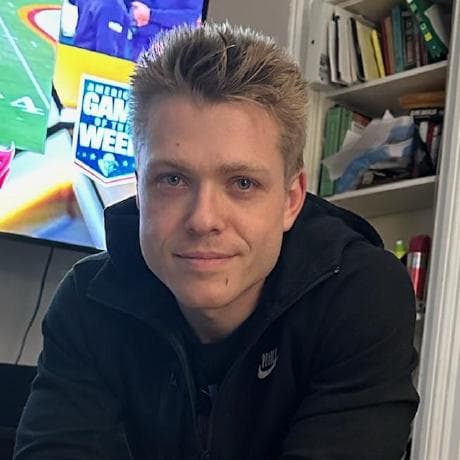
Age 14
Built my first application. Never stopped.
2016 to 2019
A decade of building begins in earnest: full-stack product work, systems, and the habit of shipping alone.
2019
Ran a sole-proprietor venture to $20M in revenue. The year I learned that building and selling are the same discipline.
2022
Co-founded Omni-X, the first natively omnichain NFT platform. Created Greg, the first onchain ONFT. Advised a Rutgers electrical engineering senior capstone team as their engineering advisor.
2024 to 2025
Founded Memetropolis: the first OFT launchpad on LayerZero, 7 chains, about $300K invested, 810 commits. Seven years of production systems behind me by now, and $750K raised across two projects.
2026
Founding AFI, the agentic bank, on 1,700+ commits this year alone. Also shipping client builds, including a federal PPE supplier's lead engine.
Rutgers University, magna cum laude.
How I ship so fast
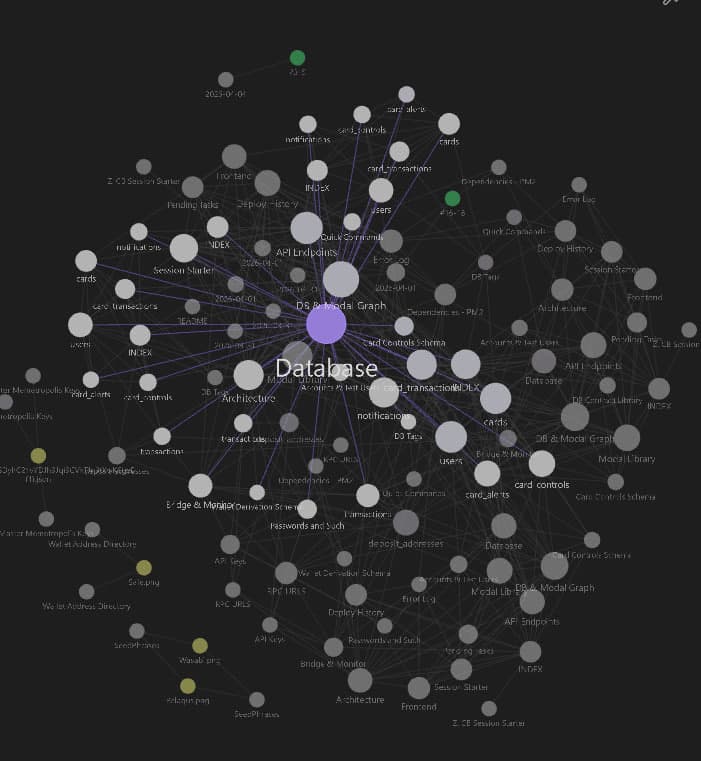
I designed and operate a personal AI neural net: a persistent memory, agent roster, and decision-ledger system that pairs with me on every build. Most consultants bill you hours to remember your codebase. Mine compounds. The graph is the actual memory, thousands of linked notes the agents read before they write a line.
Languages and craft
Ten years of shipping means a wide surface. The languages I have written production code in, and the design craft I bring to the same builds. I design the system and I write the code, so the interface and the engine are never at war.
Languages
Tools and platforms
Design systems from scratch
Tokens, type scale, spacing, motion language, and a component library before a single page ships. AFI runs on an Obsidian and Graphite palette with one accent; the PPE rebuild carried its own design ledger. I do not vibe-code color. Every visual decision cites a reference.
Motion and interface
GSAP scroll choreography, SVG path tracing, WebGL and canvas particle systems, magnetic buttons, dock rows. Interfaces that feel alive without getting in the way of the work.
The full stack under it
Contracts, backend, database, frontend, deploy, and the operational discipline to keep it alive. I own design and engineering as one loop, which is why the seams do not show.
Technical documentation and DevRel
I ship the docs, not just the code. Spec-first APIs with an interactive reference a developer can actually call, clear guides, and the operational runbooks a team inherits when I hand off. Good documentation is the difference between a system that survives me leaving and one that does not.
More builds
The Lab
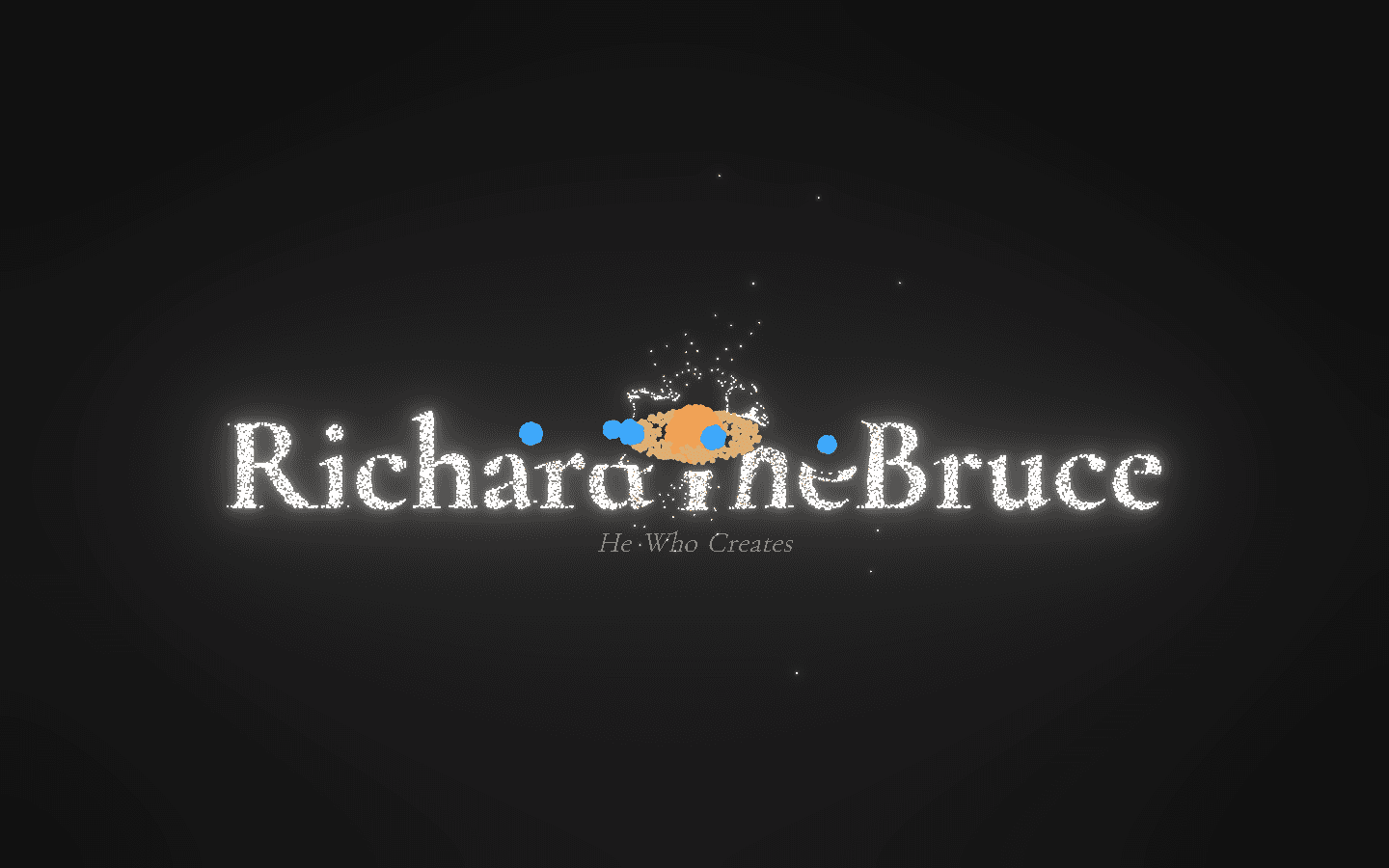
A physics playground: 90,000-particle heroes, string fields, a Saturn that becomes your cursor.
2gather
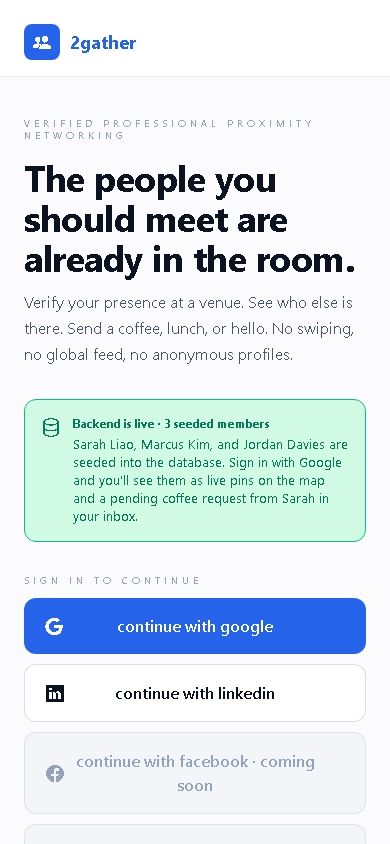
A members-only social app: Expo, Supabase, realtime presence, 13 tables, shipped as a one-day marathon.
me.md
A portable local-LLM digital twin you fill with yourself. npm-installable, git-versioned self-states.
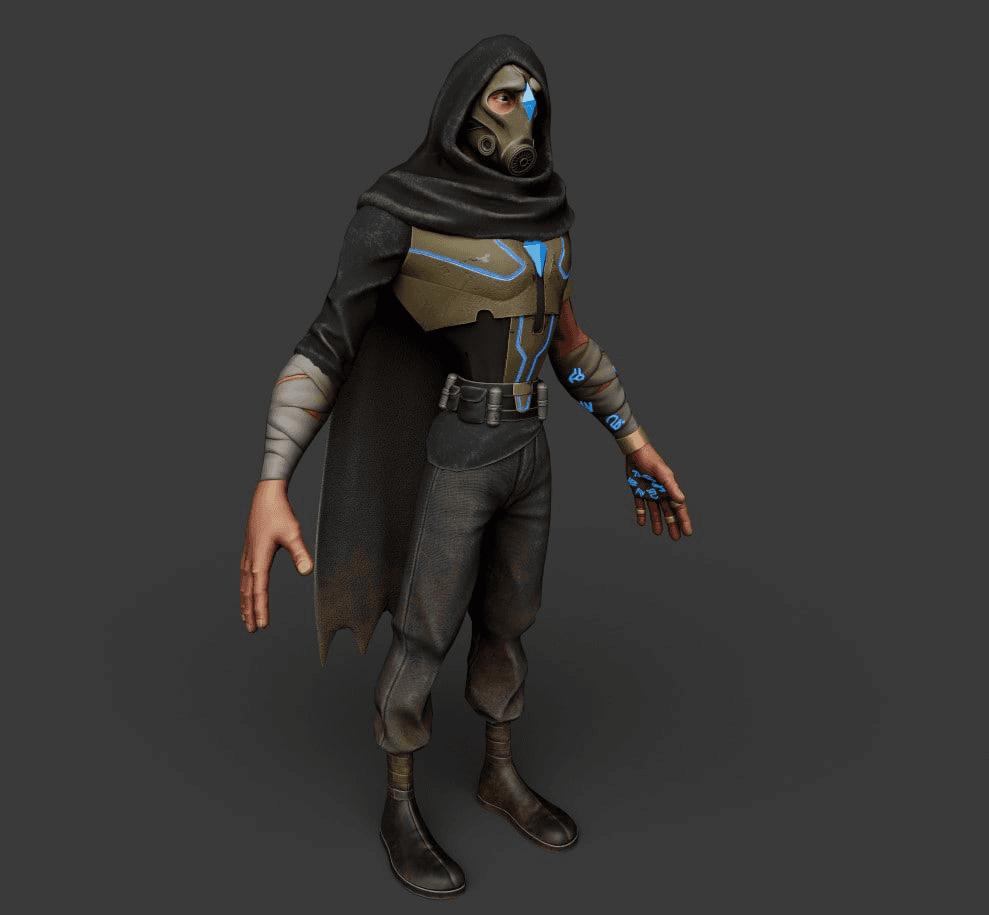
3D game character
A hooded, gas-masked figure modeled and textured from scratch, glowing rune detailing. Design and 3D work is part of the same craft, not a separate hire.
Have something that needs to exist?
Tell me what you are building and where it hurts. I reply within one business day.